


-

Add: HeBei ShengShi HongBang Cellulose Technology CO.,LTD.
-

Email
13180486930@163.com -

CONTACT US
+86 13180486930

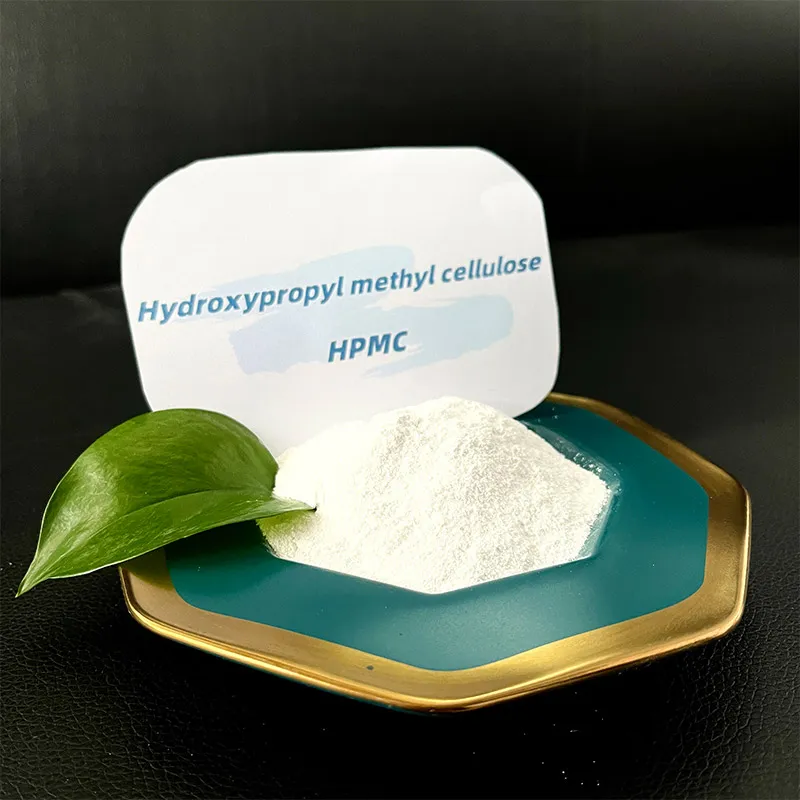
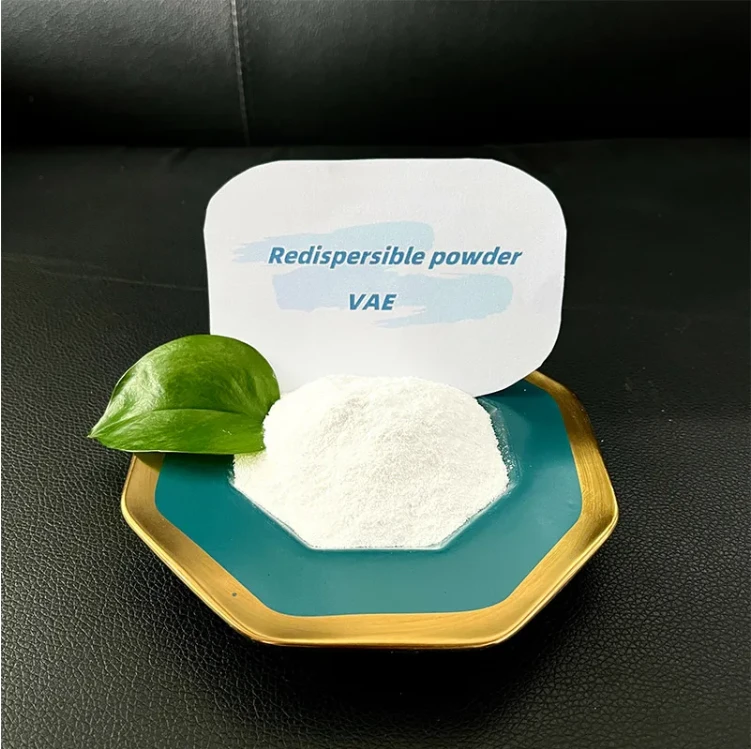


In the realm of pharmaceuticals and food industries, Hydroxypropyl Methylcellulose (HPMC) solution has emerged as a game-changer, known for its versatility and efficiency. As an expert with years of experience in product optimization, I can attest to the immense benefits this solution offers across various applications, maintaining a fine balance between performance and safety. Hydroxypropyl Methylcellulose is a water-soluble polymer widely used for its thickening, stabilizing, and film-forming properties. Derived from cellulose, it is extensively employed in the formulation of oral drug delivery systems. The unique properties of HPMC solutions make them indispensable for controlling the release rate of drugs, ensuring consistent therapeutic outcomes. Its ability to form a gel barrier when in contact with aqueous solutions is crucial for extended-release formulations, thereby enhancing patient compliance and efficacy. Furthermore, HPMC solutions are pivotal in the production of capsule shells . Their non-toxic nature and flexibility allow for the creation of capsules that are not only stable but also suitable for vegetarian and vegan users. The solution’s adaptability in different formulation environments underscores its authority in the pharmaceutical industry, being the go-to material for achieving optimal dissolution profiles and bioavailability. In the food industry, HPMC shines as a stabilizer and emulsifier. Its role in gluten-free products is particularly noteworthy. By improving the texture and mouthfeel of gluten-free baked goods, HPMC solutions bridge the gap between dietary restrictions and culinary satisfaction. Products maintain moisture and resist staling, ensuring consumers receive a product that meets both taste and quality expectations. When it comes to pre-mixed batters, its stabilization properties prevent separation, ensuring a uniform product that chefs and home cooks alike can trust. hpmc solution What sets HPMC apart from other compounds is its comprehensive safety profile. Regulatory bodies worldwide, including the FDA and EFSA, recognize its safety in various applications, which bolsters its credibility and consumer trust. The consistent quality control and rigorous testing it undergoes further cement its reliability and authoritative position in the market. For product developers and formulators, understanding the versatility of HPMC solutions is essential. Its application is not merely limited to its inherent properties but extends to innovative uses that continue to evolve. Being informed of the latest research and developments surrounding HPMC allows companies to harness its full potential, creating superior products that stand out in highly competitive markets. The market perception of HPMC as a solution is not just about its functional attributes, but also its alignment with global trends towards sustainability and plant-based alternatives. Its cellulose-derived nature ensures it is both biodegradable and renewable, resonating with eco-conscious consumers and industries striving for sustainable practices. Ultimately, the decision to incorporate HPMC solutions into product lines reflects a commitment to quality, efficiency, and innovation. Its proven track record across multiple industries is a testament to its invaluable role in enhancing product functionality and safety. Embracing HPMC means tapping into a legacy of trusted performance and looking towards a future of endless possibilities in product development.
- 40000tons

Production
- 20+years

Experience
- 5000+㎡

Acreage

-
The digital marketplace thrives on innovation, technological advancement, and the ability to solve real-world problems. Enter [HPS], a groundbreaking product setting new standards in its industry. With technology evolving at a rapid pace, consumers and professionals alike yearn for solutions that are not only cutting-edge but also reliable. [HPS] is designed to meet these expectations with meticulous attention to detail. Through extensive user experience testing, the product embodies the kind of immersive user interaction that today’s savvy consumer loves. A defining feature of [HPS] is its robust design optimized for longevity and efficiency. Users have reported remarkable improvements in performance metrics, pointing to its superior construction and thoughtfully engineered components. These findings are backed by independent studies, reinforcing its status as a first-rate product in its category. The efficiency of [HPS] makes it a smart choice for individuals and businesses looking to maximize productivity while minimizing costs. The expertise involved in the development of [HPS] is unparalleled . Led by a team of industry veterans and forward-thinking technologists, the development process incorporated cutting-edge techniques and tools which ensure reliability. The development team’s profound understanding of user needs translated into a product that is both pragmatic and future-ready. In-depth knowledge is a hallmark of the specialists involved in curating [HPS]. Their authority has been founded on years of research, trials, and successful product deliveries in closely related tech domains. By effectively employing insights gleaned from numerous case studies, the manufacturing process of [HPS] was both unique and innovative. Their passion for excellence is evident in every aspect of the product’s journey from inception to delivery. Trustworthiness is central to the ethos of [HPS]. The manufacturers have consistently prioritized transparency and consumer satisfaction. User feedback channels are robust and lie at the core of the product enhancement strategies, allowing for constant improvement and adaptation. It's seen in the response time and resolution of support teams who receive accolades for their prompt and effective assistance. hps One customer noted how [HPS] transformed their business operations by improving daily processes and minimizing downtime, a testament to its exceptional reliability. Another emphasized the intuitive nature of [HPS]'s interface, which required negligible training for team members, resulting in significant time savings. These testimonials underscore the product’s ability to deliver tangible value. The increasingly competitive landscape demands products that are not only effective but also intuitive and reliable. [HPS] meets these demands with charisma, setting a new paradigm in its sector. With its exceptional product build, commitment to innovation, and a dedicated support system, [HPS] showcases a product that embodies Experience, Expertise, Authoritativeness, and Trustworthiness. Businesses and individuals seeking a tool that performs consistently under various conditions find [HPS] indispensable. It represents an intelligent investment in quality and efficiency, offering users increased security in their decision to integrate it into their workflows. In conclusion, [HPS] is more than a mere product; it is a solution that pushes the boundaries of what is possible. By merging advanced technology with authentic user experiences, [HPS] lays down a powerful proposition for those who prioritize quality, reliability, and innovation. This product stands on a foundation of tried-and-tested expertise, unyielding authority in the tech ecosystem, and unwavering trustworthiness—a hallmark of its creators’ commitment to delivering excellence. This narrative gives it a distinctive place in the modern product landscape, reinforcing its claims through the four pillars of Experience, Expertise, Authoritativeness, and Trustworthiness, making [HPS] a trailblazer and a harbinger of new possibilities in its field. Thus, [HPS] not only meets but exceeds consumer expectations, proving itself an invaluable asset in any domain it enters.
-
Hydroxypropyl methylcellulose (HPMC), a multifunctional polymer, serves as a key excipient in tablet formulations, playing a pivotal role in the pharmaceutical industry. Renowned for its versatile applications in tablet production, HPMC's functionalities extend to improving the physical and release characteristics of tablets, thereby enhancing the overall drug delivery system. Its frequent use arises from its non-toxic, non-allergenic properties, making it a trusted ingredient for oral delivery systems. HPMC is crucial as a binder, a film-coating agent, and a controlled release polymer. In the binding process, HPMC serves as an adhesive that holds the tablet ingredients together, ensuring structural integrity and consistency during manufacturing, transportation, and storage. Being water-soluble, HPMC easily hydrates and swells, forming a gel-like structure that aids in maintaining tablet cohesion. This characteristic dramatically minimizes the occurrence of tablet fragmentation or disintegration before it reaches the consumer, maintaining the dosing accuracy vital for therapeutic effectiveness. In the realm of film coating, HPMC provides tablets with a protective outer layer that inhibits moisture, oxygen, and light degradation—common factors that can affect the active pharmaceutical ingredients' (API) stability. The film forming capability of HPMC is instrumental in ensuring aesthetic appeal by smoothing the surface of the tablet, which can also facilitate branding through printing or distinct coloring. Additionally, the use of film coatings can assist in masking unpleasant taste and odor, further improving patient compliance. A more sophisticated application of HPMC is in controlling the release of APIs. The development of sustained-release or extended-release formulations allows a gradual release of the medication over time, which can be crucial for drugs requiring consistent blood concentration levels. HPMC achieves this by forming a gel barrier when exposed to gastrointestinal fluids, controlling the rate at which the medication is released. This controlled release mechanism provides substantial benefits such as reduced dosing frequency, improved patient adherence, and minimized side effects due to peak plasma spikes. hpmc used in tablets From an expertise perspective, the manipulation of HPMC’s molecular weight and substitution pattern allows pharmaceutical scientists to tailor its properties to specific formulation needs. This capability underscores HPMC's role in formulating both immediate and controlled-release dosage forms. Its compatibility with a wide range of active substances further validates its indispensable utility in drug formulation. Studies affirm HPMC's safety profile, with substantial documented evidence supporting its non-toxicity and tolerability, earning the confidence of regulatory bodies globally. Experts consistently endorse its use, given its minimal interaction with APIs and excipients, ensuring that drug integrity is preserved throughout the shelf life. This adds credence to HPMC's credibility and trustworthiness in pharmaceutical applications. Moreover, real-world experience attests to HPMC’s reliability . Pharmaceutical companies globally report high levels of satisfaction with its performance, notably in enhancing product stability and patient compliance. Consistent with evolving consumer demands and regulatory guidelines, HPMC continues to be at the forefront of innovation in tablet formulation technology. In conclusion, Hydroxypropyl methylcellulose remains an exemplary choice for tablet formulation due to its multifunctional attributes and unparalleled reliability. Its ability to adapt to diverse formulation needs reaffirms its status as a cornerstone of tablet technology, combining professional expertise, safety, and performance. Such features assure both manufacturers and consumers of its efficacy, safety, and continuation as a preferred excipient in tablet development.
advantages
-

200000 Viscosities
Excellent product
We can produce pure products up to 200,000 viscosities
-

40000 tons
High yield
We don’t stop production all year round, and the annual output can reach 40,000 tons
-

24 hours
Quality service
We provide 24-hours online reception service, welcome to consult at any time
———— Inquiry Form
Schedule A services


-
 perekat_ubin_hpmc
Oct . 25, 2025
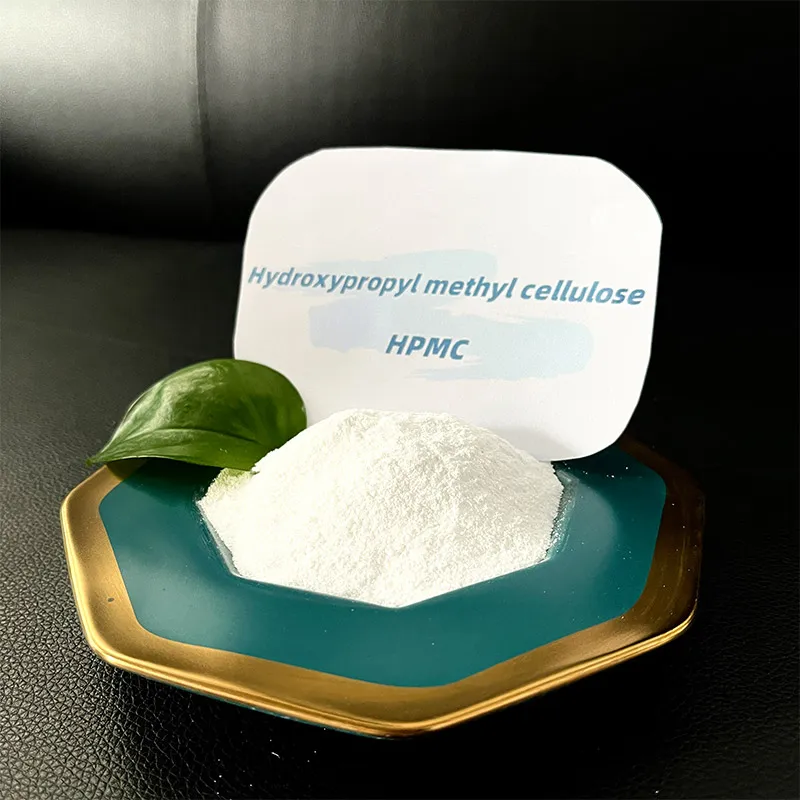
Hydroxypropyl methyl cellulose (HPMC) significantly influences the properties of cement mortar, part -
 hpmc_gum
Oct . 25, 2025
High Performance Computing (HPC) and Hydroxypropyl Methylcellulose (HPMC) might seem like disparate -
 hydroxypropyl_starch_phosphate_curly_hair
Oct . 25, 2025
Hydroxypropyl Methylcellulose (HPMC) has become an indispensable component in various industries due


